
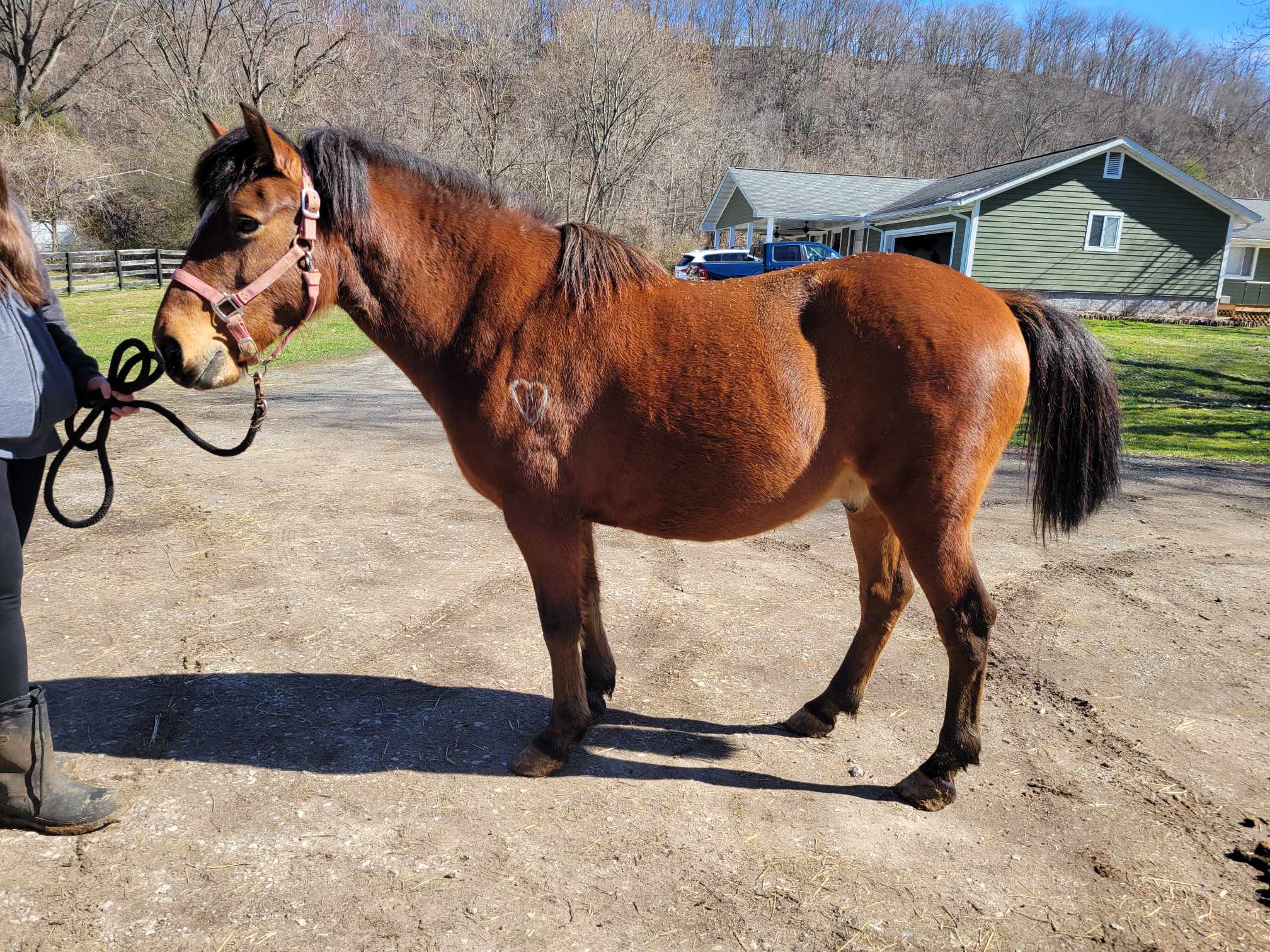
Did you know allowing your horse to become and remain obese is as harmful as allowing them to become emaciated?
Actually, our vet and I have often talked about how it’s actually worse, and for many reasons.
Long term, obesity can cause issues that cannot be corrected, no matter the efforts you give, and usually, starvation leaves no physical lasting effects.
It can, but it doesn’t, usually.
We aren’t talking about mental / emotional being, though in the end, creating an obese horse causes issues there, too, that are often life long.
You can kill your horse by not managing weight.
You can reduce their quality of life.
Obesity can cause tremendous pain to equine joints.
A lot of what is done may not be reversible.
I wish all owners took it seriously.
Our hope is ALL horses can live at healthy body scores, the truth is, the average future of the neglected thin horse is less painful and has a better prognosis than that of the obese horse.
The lush pastures of today, the rich concentrated feeds, limited exercise and the poor understanding of a horse’s nutritional needs by many horse owners have added up to a recipe for disaster for our equine buddies, too.
It is up to an owner to realize they are dealing with a horse that is too easy a keeper early on because an easy keeper, if mismanaged, can become a horse with Equine Metabolic Syndrome. EMS is not especially well understood, but it seems that generally, this condition is man created. While some horses will not develop this condition, once a horse has EMS, you are often going to be dealing with a life long battle to keep the horse sound and healthy.
The fact your horse does not end up with a chronic metabolic disorder does not mean you have no risks with obesity in your horse.
Obese horses have issues in hot weather with sweating and overheating. Saddle fit is difficult. Fatty tumors are more common in overweight horses, and fat mares tend to stay in heat more often (through winter) than healthy horses. Organs can be compromised, and of course, the greatest risk is to your horse’s feet. Laminitis (or the chronic form, called Founder most often) is commonly associated with obese horses:
“Laminitis is the inflammation of a network of blood vessels, known as the laminae, within the hoof—a very painful and often fatal condition. The inflammation reduces the laminae’s ability to integrate and hold the hoof wall and the coffin bone together. Thus, with severe laminitis it is possible for the coffin bone to rotate downward and protrude through the sole of the foot.”
If you have a horse that tends to carry notably higher body condition than his herdmates, do some things early on before you are dealing with a lasting health condition like:
Realize how serious equine obesity is, don’t make jokes about it. It’s truly harmful to the horse
In the UK, not regulating the weight of equines has been considered a crime of animal neglect. And that is what it is, well intended or not.
Exercise the horse more, real exercise.
Use a grazing muzzle, but make sure it fits and does in it rub.
Get the horse off worrisome grass situations.
Stop feeding typical concentrated feed in favor of average quality hay with a low starch, no iron ration balancer.
Soak your hay. Miz straw in with your forage.
Consider a well maintained and planned track system.
Make changes gradually to prevent stress (there may be a stress component to obesity).
Do not resort to 24/7 stall time.
A dry lot alone won’t usually fix the issue .
It’s easier to prevent the issue and fix it:
“Prevention of EMS should focus on maintaining normal weight in horses, particularly in high-risk breeds. Because these horses may be more efficient users of ingested calories than others, it is imperative to feed appropriately to maintain an ideal condition score and not to use arbitrary feeding guidelines. Particular care should be exercised when turning horses on pasture during times of high-soluble carbohydrate content, eg,
spring and autumn.”
Keep in mind, BECAUSE metabolic issues OFTEN arise from initial misfeeding of horses (man created), you need to know how to feed the easy keeper before acquiring such a horse to best prevent the horse from foundering or developing EMS.
